Ground Wire Type Glass Insulator
Home / Products / Ground Wire Type Glass Insulator
Ground Wire Type Glass Insulator

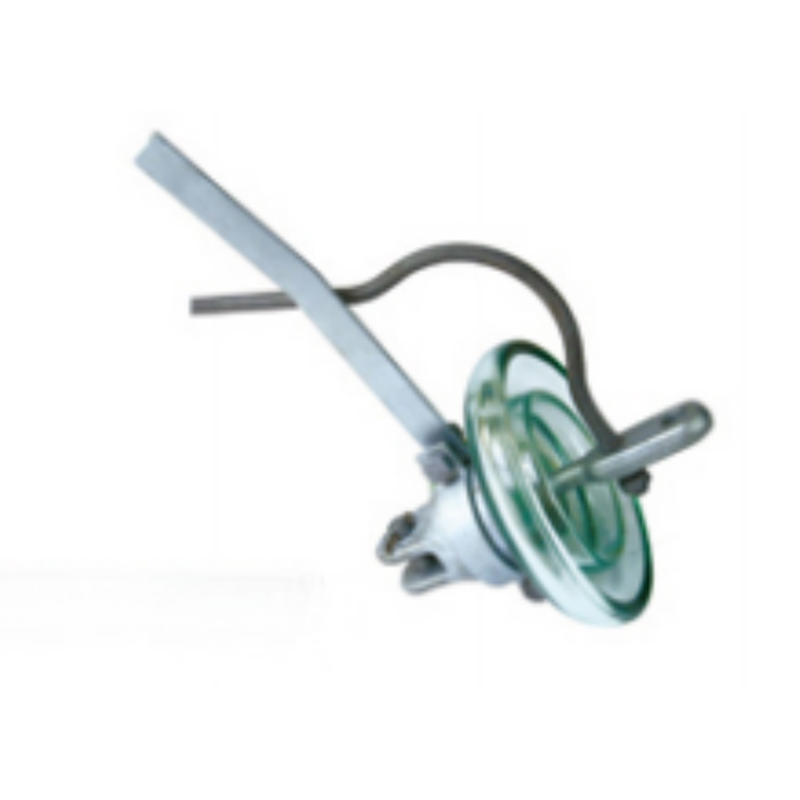
Ground Wire Type Glass Insulator
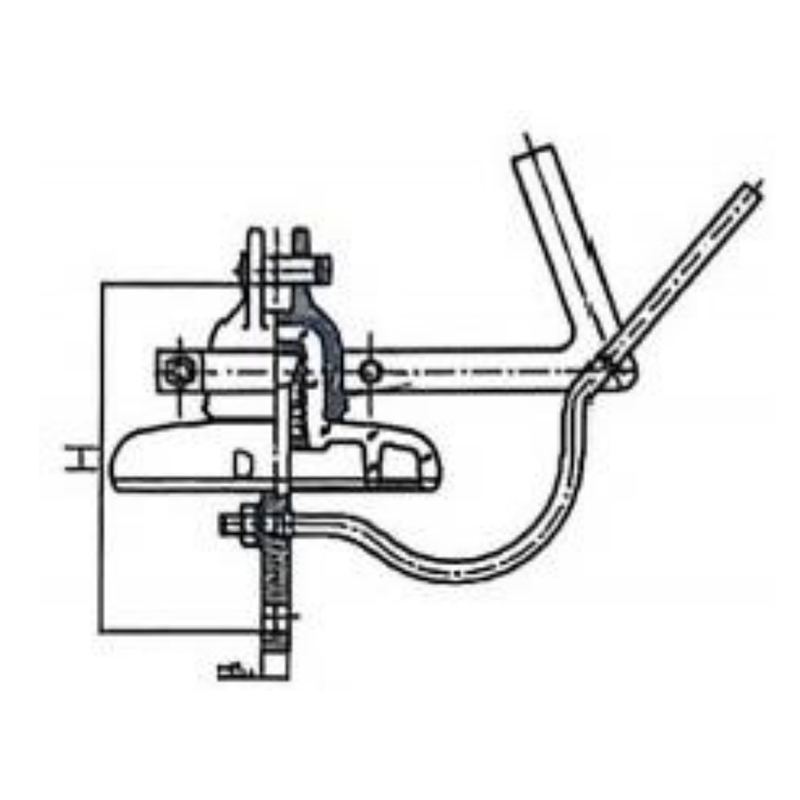
Ground wire type insulators are tempered glass insulation devices used in power systems for ground wire structures. They are assembled from an iron cap, tempered glass components, and steel feet using cement adhesive. They feature a cylindrical head design, combining small head size, high mechanical strength, and a large creepage distance, reducing metal consumption and lowering line costs. This device facilitates convenient and secure cable installation and connection through components such as cable clamps and fixing bolts, making it suitable for live-line working environments on high-voltage transmission lines. Initially used primarily for pole support, it has since become a key component of high-voltage transmission systems. The tempered glass material gives it zero-value self-breaking characteristics, facilitating rapid ground or aerial detection and reducing maintenance intensity. During operation, it can withstand lightning strikes and conductor galloping impacts, exhibiting stable electromechanical performance and no aging phenomena. Product types include standard, pollution-resistant, and DC types to meet various operating conditions.

Specifications
The specifications of toughened glass suspension insulator of Ground wire type
Model No UEG70C UEG70CN UEG100C UEG100CN
Minimum Mechanical failing load 70 70 100 100
Diameter D 200 200 200 200
Spacing Height 210 210 210 210
Min Nominal Creepage distance 217 217 217 217
Connection type 16C 16C 16C 16C
Mechanical Failing load 70 70 100 100
Individual tensile load test 35 35 50 50
Power frequency wet withstand voltage 30 30 30 30
Power frequency puncture voltage 130 130 130 130
Power frequency discharge Voltage with gap
distance 20mm
Max 30 30 30 30
Min 8 8 8 8
Extinguished arc current at power Frequency
recovery volt age2500VWith gep dis-tancce
15mm
Lnductive current 35 35 35 35
Capacitive current 20 20 20 20
Electrode arc resis-tance ability(min) Power frequency current kA 10 10 10 10
(S)
Time
20 20 20 20
Frequence 2 2 2 2
Fittings 16C 16C 16C 16C
hang overhang tension overhang tension
(Kg)Unit weight 4.5 4.5 4.5 4.5


Ground wire type glass insulators are specialized insulating devices designed for the overhead ground wires (lightning protection wires) of transmission lines. Their main function is to support and insulate the ground wires, preventing discharge between the ground wires and the towers, and they possess lightning protection, anti-wind vibration, and aging resistance properties. They are suitable for ground wire systems of transmission lines with voltages ranging from 110kV to 1000kV.

1) Core structure and design features

  • The lightweight and compact design of ground wire type glass insulators has a smaller umbrella skirt diameter and a lower structural height compared to line insulators. The overall weight is lighter, adapting to the low mechanical load characteristics of the ground wires. The umbrella shape mostly adopts single umbrella or shallow double umbrella structures, and the creepage distance only needs to meet the insulation requirements of the ground wires, without the need to pursue high creepage ratio. It balances economy and practicality.
  • The basic composition and material mainly consists of tempered glass components, hot-dip galvanized steel caps, steel feet, and high-grade cement adhesive. It inherits the core advantages of glass insulators such as zero-value self-breakage, arc resistance, and vibration resistance. The steel caps and steel feet are made with thickened hot-dip galvanizing process, providing stronger corrosion resistance and enabling adaptation to the harsh outdoor environment.
  • The connection method mostly adopts ball socket type connections, which are convenient for installation and can quickly adapt to ground wire hardware. They also have certain angle adjustment capabilities to adapt to the force deformation of the towers.

2) Core advantages

  • Adapt to the working characteristics of ground wires. Ground wires have no rated operating voltage and only need to withstand lightning overvoltage. Therefore, the insulation configuration of ground wire type insulators precisely matches the requirements, avoiding excessive design, and the cost is 30% to 40% lower than that of line pollution-resistant insulators.
  • Strong wind vibration and fatigue resistance. Ground wires are always in the high air environment, and they are prone to high-frequency vibration due to wind force. The ground wire type insulator optimizes the gluing structure, can effectively absorb vibration energy, avoid cracking at the connection between the steel foot and the glass component, and has a fatigue life of over 30 years.
  • Low operation and maintenance cost. The zero-value self-breakage feature enables visual inspection of deteriorated insulators without climbing the tower for detection. Only regular inspections and replacement of self-burst pieces are required, significantly reducing the operation and maintenance workload of the ground wire system.
  • Excellent lightning resistance performance. The glass material itself has strong arc resistance and will not suffer permanent insulation damage after lightning strike, maintaining mechanical strength and insulation performance, reducing the risk of ground wire failure caused by lightning faults.

3) Applicable scenarios

  • Overhead ground wires / lightning protection wires of 110kV to 1000kV transmission lines;
  • Ground wire systems in harsh environments such as coastal areas, high altitudes, and industrial pollution zones;
  • Ground wires of large-span lines that need to withstand extreme loads such as strong winds and icing;
  • Transmission line ground wire projects that need to reduce radio interference.

4) Selection and operation maintenance key points

  • Select the rated breaking load based on the mechanical tension of the ground wire. It is usually 2.5 to 3 times the maximum operating tension of the ground wire;
  • In polluted areas, the creepage distance should be appropriately increased, and models with creepage ratio ≥ 18mm/kV should be selected;
  • For large-span ground wires, priority should be given to models with a rated mechanical breaking load ≥ 100kN.
  • In plain clean areas, conduct inspections every 12 months, and in harsh environments, every 6 months;
  • Pay special attention to rusting of the steel cap and steel foot, cracks in the umbrella skirt, and self-burst pieces, and replace deteriorated insulators in a timely manner;
  • In coastal salt spray areas, the steel cap and steel foot can be sprayed with anti-corrosion coatings to extend the service life.
Frequently Asked Questions

Everything you need to know. Can't find an answer? Talk to our team.

Payment Terms?

Subject to mutual agreement

What is the production lead time?

Varies based on order quantity

What are the packaging standards?

Wooden crates and bamboo mats.

Can customer logos be incorporated?

Customization available.

How do you ensure high product quality?

We utilize premium raw materials and state-of-the-art production equipment. Rigorous quality control, assembly, and packaging processes guarantee product excellence. Every batch undergoes testing with specialized laboratory equipment.

What certifications do you hold?

Quality Certification, 3C Certification, Green Certification (covering packaging, factory operations, supply chain, product design, manufacturing, and digital-intelligent green low-carbon practices).

What is your monthly production capacity?

Monthly production reaches 2,100 tons, capable of manufacturing approximately 400,000 tempered glass insulators per month.

Get Started With Us Now!

We always want to make sure that our customers are getting the best deal, so let us know what you're interested in and we'll get back with a quote!

Learn More
 Get Started With Us Now!