Types of Electrical Insulators

Jul. 06, 2026
As global power transmission networks continue to expand and modernize, Electrical Insulators play a critical role in ensuring safe, stable, and efficient electricity distribution. From high-voltage transmission lines to substations and industrial power systems, selecting the right insulator type directly impacts grid reliability, safety performance, and long-term maintenance costs.
For utility companies, EPC contractors, and electrical equipment distributors, choosing high-quality Insulators is essential for maintaining consistent power delivery under harsh environmental conditions.
Electrical Insulators are components designed to prevent unwanted flow of electrical current between conductive parts while supporting mechanical loads in power systems.
They are widely used in:
Their main function is to ensure electrical safety while maintaining system stability.
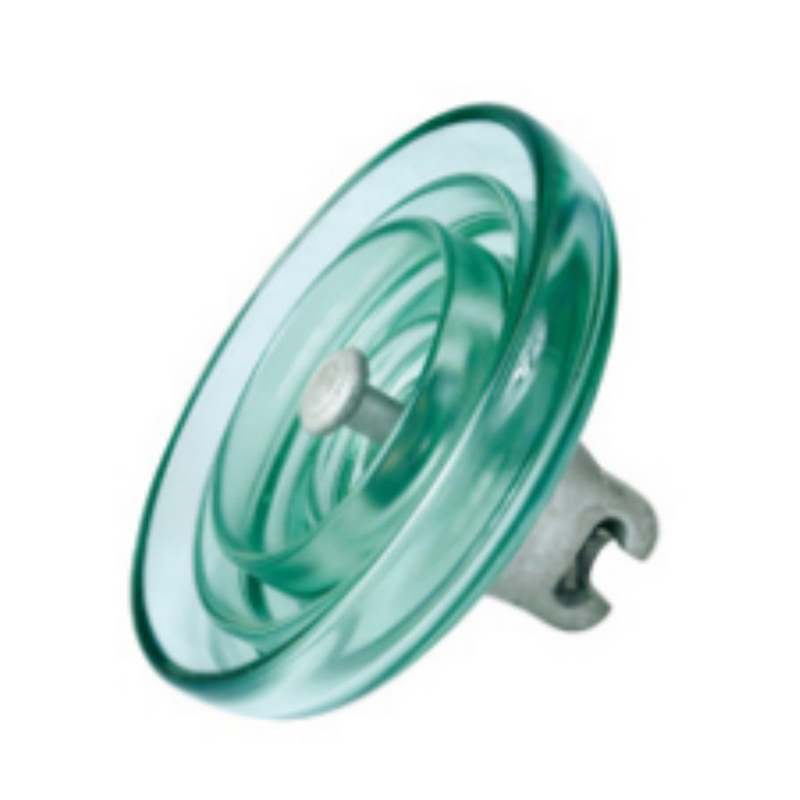
Pollution-Resistant Disc Suspension Glass Insulator
Modern power systems use different types of insulators depending on application requirements.
Glass Insulators are widely used due to their durability and transparency, which makes defects easy to detect.
Advantages include:
Porcelain insulators are known for their strong insulation performance and long-term reliability in outdoor environments.
Key features:
Polymer insulators are lightweight and increasingly used in modern power systems.
Benefits include:
Each insulator type offers different advantages depending on application needs.
Best for:
Best for:
Best for:
Reliable Electrical Insulators ensure safe and efficient power transmission.
Key benefits include:
Prevents leakage currents and protects infrastructure from electrical failures.
Supports conductors and maintains stable line structures under tension.
Designed to withstand rain, wind, pollution, and extreme temperatures.
High-quality materials ensure long service life with minimal maintenance.
Insulators are essential components in:
Supporting overhead power lines across long distances.
Ensuring safe voltage transformation and distribution.
Supporting heavy-duty electrical equipment and machinery.
Used in wind farms, solar farms, and energy storage systems.
Ensuring stable power supply for electrified rail networks.
Professional buyers consider several key factors before selecting insulators.
Ensure compatibility with system voltage requirements.
Consider pollution levels, humidity, and climate conditions.
Important for supporting conductor weight and tension.
Choose between glass, porcelain, or polymer based on application.
Long-term infrastructure projects require high aging resistance.
Experienced manufacturers ensure consistent quality and stable supply.
Compared with low-grade products, premium Electrical Insulators offer:
These advantages make them essential for modern power infrastructure.
Weixiao Electric specializes in manufacturing high-quality Electrical Insulators, including glass, porcelain, and polymer insulator solutions for global power systems.
Our strengths include:
Whether your project involves transmission lines, substations, or industrial power systems, Weixiao Electric provides reliable insulator solutions designed for long-term safety and performance.
They prevent unwanted electrical current flow and support conductors in power transmission and distribution systems.
Glass offers easy inspection and durability, porcelain provides high mechanical strength, and polymer is lightweight with strong contamination resistance.
Porcelain and glass insulators are commonly used for high-voltage transmission due to their strength and stability.
High-quality insulators can last many years depending on environmental conditions and system load.
Looking for reliable Electrical Insulators, glass insulators, or power transmission insulation solutions?
Our technical team can help you select the most suitable product based on your voltage requirements, environmental conditions, and project specifications.
Welcome to contact us for technical consultation, OEM cooperation, product catalogs, and competitive quotations.
Email: sales@weixiaoinsulator.com
Weixiao Electric is committed to delivering high-performance Electrical Insulators for global power transmission, distribution, and infrastructure projects.
 Aug. 25, 2026
We always want to make sure that our customers are getting the best deal, so let us know what you're interested in and we'll get back with a quote!