How to Prevent Flashover Failures in Glass Insulators?

Jul. 13, 2026
Flashover is one of the most common electrical failures affecting glass insulators in overhead power transmission and distribution systems. When contamination, moisture, and high voltage combine on an insulator surface, leakage current can increase and eventually create an electrical arc across the insulator.
A flashover failure can cause power outages, equipment damage, and reduced grid reliability. Therefore, power utilities and maintenance teams use multiple prevention methods, including silicone coatings, increased creepage distance, regular cleaning, and advanced detection technologies.
As a professional glass insulator manufacturer, Weixiao Electric provides reliable insulation solutions designed to improve transmission safety and long-term operating performance.
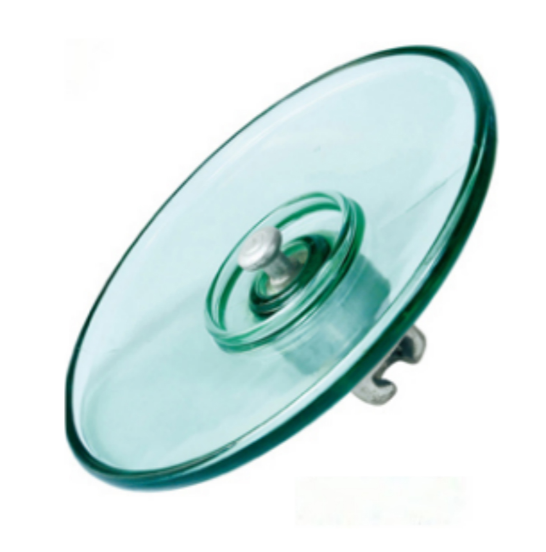
Aerodynamic Disc Suspension Glass Insulator
A glass insulator is designed to electrically isolate conductors from transmission towers and support mechanical loads. However, during long-term outdoor operation, the insulator surface can accumulate contaminants such as:
When these pollutants combine with rain, fog, or humidity, they can form a conductive layer on the glass surface.
This conductive path increases leakage current. Under high voltage conditions, electrical arcs may develop and eventually bridge the insulator surface, causing flashover.
Common factors leading to flashover include:
To reduce flashover risks, power companies typically combine preventive maintenance methods with advanced monitoring technologies.
One of the most effective methods for preventing pollution flashover is applying silicone-based protective coatings.
During outdoor operation, dust and salt particles can accumulate on power line equipment. When moisture appears, these contaminants may create a conductive film on the insulator surface.
Power crews often apply:
The hydrophobic property of silicone prevents water from spreading into a continuous film. Instead, water forms small droplets, reducing the possibility of creating a conductive path.
For areas with severe pollution levels, silicone coatings can significantly improve the performance of glass insulators.
Creepage distance refers to the shortest distance that electrical current must travel along the surface of an insulator between the energized conductor and grounded structure.
Increasing creepage distance is a common design method for preventing flashover.
Manufacturers design insulators with:
These structures extend the surface path, making it more difficult for electrical current to travel across the insulator.
A longer creepage distance helps:
For high-pollution regions, selecting a glass insulator with sufficient creepage distance is essential for reliable power transmission.
Regular cleaning is another effective way to prevent flashover failures.
Over time, contaminants can accumulate on insulator surfaces and reduce insulation performance. Power companies use different cleaning methods depending on operating conditions.
Common cleaning methods include:
In some transmission systems, insulators can be cleaned while power lines remain energized.
Special equipment, including water spray systems and helicopters, can remove pollution without interrupting electricity supply.
Regular cleaning helps:
Modern power maintenance teams increasingly use UV detection technology to identify early electrical problems before major failures occur.
Before a flashover happens, small electrical discharges may appear on contaminated or damaged insulator surfaces.
These partial discharges release ultraviolet light that cannot be seen by the human eye.
Using handheld or drone-mounted UV cameras, maintenance teams can detect:
This technology allows power companies to repair or replace problematic insulators before serious failures occur.
Preventing flashover begins with selecting reliable insulation products.
High-quality glass insulators should have:
Compared with ordinary insulation products, premium toughened glass insulators provide better transparency for inspection, stable performance, and reliable operation under harsh outdoor conditions.
Many buyers focus only on the rated voltage of glass insulators when selecting products. However, real-world performance depends heavily on environmental conditions and long-term surface performance.
A high-quality insulator installed in a severe pollution area may still require additional protection measures, while a properly selected insulator design can greatly reduce maintenance costs over its service life.
For utilities, the best approach is not simply choosing a stronger insulator, but creating a complete protection strategy combining product design, installation planning, monitoring, and maintenance.
A coastal transmission project experienced repeated flashover problems during foggy seasons due to salt contamination accumulating on glass insulator surfaces.
After analyzing the operating environment, the project team improved reliability by upgrading insulation protection, increasing creepage distance, and introducing regular inspection procedures.
The solution reduced unexpected outages and improved the long-term stability of the transmission system.
For coastal and high-humidity areas, glass insulators with stronger pollution resistance and hydrophobic protection are recommended to reduce leakage current caused by salt contamination.
For industrial areas with dust and chemical pollution, longer creepage distance designs and regular cleaning programs help maintain insulation performance.
For remote transmission projects, monitoring systems combined with durable glass insulator designs can reduce inspection frequency and improve operational reliability.
Weixiao Electric specializes in manufacturing high-quality glass insulators for power transmission and distribution systems.
With professional production technology and strict quality control, Weixiao Electric provides reliable insulation solutions for global customers.
Our glass insulators feature:
Whether for high-voltage transmission lines, substations, or distribution networks, Weixiao Electric helps customers improve grid safety and reduce maintenance risks.
Flashover usually occurs when pollution and moisture create a conductive layer on the insulator surface, allowing electrical current to form an arc between the conductor and grounded structure.
Silicone coatings create a hydrophobic surface that prevents water from forming a continuous conductive film, reducing leakage current and flashover risks.
A longer creepage distance increases the surface path that electricity must travel, improving pollution resistance and reducing the possibility of surface arcing.
Cleaning frequency depends on environmental conditions. Areas near oceans, industrial zones, or deserts usually require more frequent maintenance.
Preventing flashover failures in glass insulators requires a combination of proper design, regular maintenance, protective coatings, and advanced monitoring technology.
Power companies reduce flashover risks by applying silicone coatings, increasing creepage distance, cleaning contaminated surfaces, and using UV cameras for early fault detection.
Choosing reliable glass insulators from an experienced manufacturer is also essential for improving transmission system safety and stability.
Weixiao Electric provides professional glass insulator solutions for global power transmission and distribution applications.
Contact Weixiao Electric for glass insulator solutions:
E-mail: susan@weixiaoinsulator.com
 Aug. 25, 2026
We always want to make sure that our customers are getting the best deal, so let us know what you're interested in and we'll get back with a quote!