Aerodynamic Disc Suspension Glass Insulator

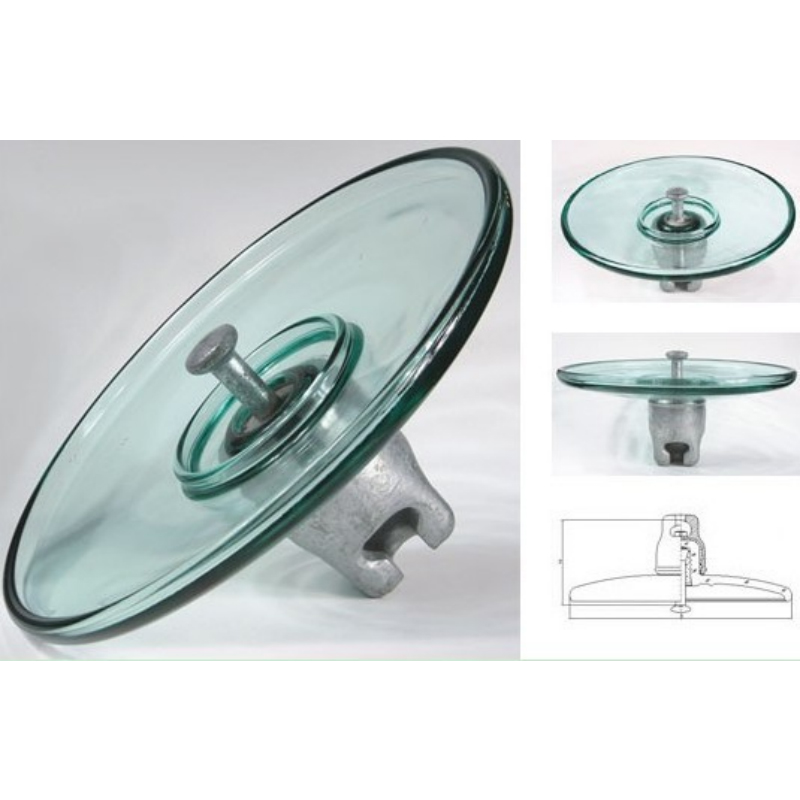
Compared to ordinary insulators, aerodynamic insulators are designed with aerodynamic characteristics in mind to enhance their stability and performance under external conditions such as wind. Furthermore, aerodynamic insulators play a crucial role in power transmission, providing insulation and support to ensure the safe operation of power systems.
The Aerodynamic Suspension Disc Insulator from Weixiao is a high-performance glass insulator engineered for modern power transmission networks. Designed with aerodynamic principles, this insulator reduces wind-induced vibration and minimizes mechanical stress on transmission lines, ensuring reliability and longevity. As a trusted aerodynamic suspension disc insulatorsupplier, Weixiao combines advanced material technology with precision manufacturing to deliver products that meet the stringent demands of high-voltage power systems.

| The specifications of toughened glass suspension insulator of Open Air Profile | |||||||||||||||
| Model No | Mechanical Failing load ≥ |
Nominal Spacing Height |
Nominal Diameter |
Min Nominal Creepage distance |
Connection type |
Individual Tensile Load test |
Dry lightning impulse withstand voltage |
Impulse Puncture Withsta nd voltage |
Power Frequency Voltage ≥ | Radio interference voltage |
Corona extinction voltage pin/cap |
Power frequency orc test |
Net weight Per unit |
||
| mm | Power frequency dry withstand voltage |
with- stand voltage (1min) |
puncture |
||||||||||||
| U70BP/146M | 70 | 146 | 380 | 365 | 16 | 35 | 90 | 2.8 | 55 | 50 | 130 | ≤50 | 18/22 | 0.12s/20kA | 5.3 |
| U100BP/146M | 100 | 146 | 380 | 365 | 16 | 50 | 90 | 2.8 | 55 | 50 | 130 | ≤50 | 18/22 | 0.12s/20kA | 5.3 |
| U120BP/146M | 120 | 146 | 380 | 365 | 16 | 60 | 90 | 2.8 | 55 | 50 | 130 | ≤50 | 18/22 | 0.12s/20kA | 5.3 |
| U160BP/155M | 160 | 155 | 420 | 380 | 20 | 80 | 95 | 2.8 | 60 | 55 | 130 | ≤50 | 18/22 | 0.12s/20kA | 7.9 |
| U160BP/170M | 160 | 170 | 420 | 380 | 20 | 80 | 95 | 2.8 | 60 | 55 | 130 | ≤50 | 18/22 | 0.12s/20kA | 8.1 |
| U210BP/170M | 210 | 170 | 420 | 380 | 20 | 105 | 95 | 2.8 | 60 | 55 | 130 | ≤50 | 18/22 | 0.12s/20kA | 8.1 |
| U240BP/170M | 240 | 170 | 420 | 380 | 24 | 120 | 95 | 2.8 | 60 | 55 | 130 | ≤50 | 18/22 | 0.12s/20kA | 8.3 |
| U300BP/195M | 300 | 195 | 450 | 450 | 24 | 150 | 95 | 2.8 | 60 | 55 | 130 | ≤50 | 18/22 | 0.12s/20kA | 10.5 |
| Application Scenario | Why This Type Is Used |
|---|---|
| Typhoon and strong wind zones | Streamlined disc reduces wind pressure load and line vibration fatigue |
| Desert and Gobi areas | Smooth underside resists sand and dust accumulation; rain and wind self-clean effectively |
| High bird activity corridors | Large umbrella diameter shields string from droppings; typically deployed at string top |
| Large-span river or valley crossings | Lower aerodynamic drag reduces oscillation sensitivity in long spans |
| High-altitude UV-exposed routes | Tempered glass construction resists UV degradation without aging loss |
1) Selection Principles
2) Operation and Maintenance Suggestions
1. Streamlined aerodynamic profile
The large-diameter umbrella disc features a curved, edgeless lower surface that allows air to flow smoothly around the insulator rather than creating turbulent resistance. This reduces wind pressure and minimizes the transmission of wind-induced vibration to the conductor and tower.
2. Extended leakage path with optimized geometry
While maintaining a lower creepage distance compared to anti-pollution types, the disc shape ensures that contaminants do not accumulate on critical surfaces. Wind and rain effectively clear the smooth underside, preserving insulation integrity.
3. Zero-value self-breakage detection
The tempered glass component is manufactured under controlled thermal stress. If a unit becomes electrically degraded, internal stress causes it to shatter visibly—a feature that enables maintenance crews to identify faulty units from the ground without specialized testing equipment.
| Stage | Measure |
|---|---|
| Incoming material | Glass components, steel caps, and pins inspected against certified specifications before production entry |
| In-process control | Real-time monitoring of glass batching, tempering temperature curves, and cement curing |
| Batch testing | Each production batch undergoes mechanical load testing, electrical withstand testing, and thermal shock verification |
| Certification compliance | ISO 9001:2015, ISO 14001:2015, ISO 45001:2018; full compliance with IEC standards and China 3C certification |
| Traceability | Complete batch traceability from raw material receipt through to final shipment documentation |
What makes the aerodynamic insulator different from standard types?
Its streamlined, large-diameter umbrella disc reduces wind resistance and vibration, while the smooth lower surface improves self-cleaning—ideal for strong wind, sandstorm, and high bird activity areas.
What mechanical strength options are available?
Models range from 70kN to 300kN failing load, covering most transmission line requirements.
How often should these insulators be inspected?
Every 6–12 months in normal areas; every 3–6 months in strong wind or sandstorm regions.
Can they be used in heavily polluted environments?
They perform best in light to moderate pollution. For heavy industrial or coastal salt spray areas, combine with anti-pollution types in the same string.
How are they packaged for shipment?
Wooden crates with bamboo mat separators to prevent damage during transit. Custom packaging available upon request.
Everything you need to know. Can't find an answer? Talk to our team.
Subject to mutual agreement
Varies based on order quantity
Wooden crates and bamboo mats.
Customization available.
We utilize premium raw materials and state-of-the-art production equipment. Rigorous quality control, assembly, and packaging processes guarantee product excellence. Every batch undergoes testing with specialized laboratory equipment.
Quality Certification, 3C Certification, Green Certification (covering packaging, factory operations, supply chain, product design, manufacturing, and digital-intelligent green low-carbon practices).
Monthly production reaches 2,100 tons, capable of manufacturing approximately 400,000 tempered glass insulators per month.
We always want to make sure that our customers are getting the best deal, so let us know what you're interested in and we'll get back with a quote!